
Exploring the psychology behind high-stakes casino games
The Thrill of Risk: What Drives Players?
High-stakes casino games attract individuals seeking not just monetary gain but also intense emotional experiences. The thrill of risking substantial amounts of money can trigger a rush of adrenaline, akin to extreme sports or other forms of high-risk entertainment. Interestingly, players often explore various options, including online casinos that use interac, highlighting their desire for both excitement and convenience. This psychological phenomenon is rooted in the brain’s reward system, which releases dopamine—a neurotransmitter associated with pleasure and excitement—when players engage in these activities.

Moreover, the allure of high-stakes games often lies in the social environment they create. Players are drawn to the communal aspect of the casino floor, where camaraderie and shared experiences can amplify the excitement. The atmosphere, coupled with the potential for significant wins, creates a psychological cocktail that keeps players returning for more, even when they are aware of the risks involved.
Emotional Decision-Making in Gambling
Emotions play a critical role in the decision-making processes of gamblers, especially in high-stakes scenarios. Many players rely heavily on gut feelings and intuition rather than logical analysis when placing bets. This emotional decision-making can lead to a phenomenon known as «loss chasing,» where players continue to gamble in hopes of recovering their losses, despite the odds being stacked against them.
This tendency to make impulsive decisions under emotional duress can be attributed to cognitive biases, such as the gambler’s fallacy. This bias leads individuals to believe that past outcomes will influence future results, creating a false sense of control. Understanding these emotional triggers is crucial for both players and casino operators, as it shapes not only gambling behavior but also the overall casino experience.
The Role of Cognitive Dissonance
Cognitive dissonance is prevalent among gamblers, particularly in high-stakes situations. Players may experience discomfort when their outcomes do not align with their beliefs about their skills or luck. For instance, a player who considers themselves to be an expert may struggle to reconcile their losses with their self-image, leading to justifications for their continued play.
This psychological tension often results in a cycle of gambling where players feel compelled to validate their earlier decisions by doubling down or increasing their stakes. These mental gymnastics can keep players entrenched in the gambling cycle, as they seek to restore their sense of agency and control over the game, despite the inherent unpredictability of chance.
The Impact of Environment on Gambling Behavior
The casino environment is meticulously designed to enhance the gaming experience and influence player behavior. From the layout of slot machines to the sounds of chips and cards, every aspect is carefully curated to evoke specific emotional responses. Bright lights and alluring sounds create an immersive experience that captivates players and encourages prolonged engagement.
Furthermore, the social dynamics at play within a casino can also affect gambling behavior. The presence of onlookers can enhance the thrill of betting, while the competitive atmosphere may push individuals to take larger risks. Understanding how environmental factors contribute to gambling behavior can help casinos optimize their settings to maximize player engagement while also considering responsible gaming practices.
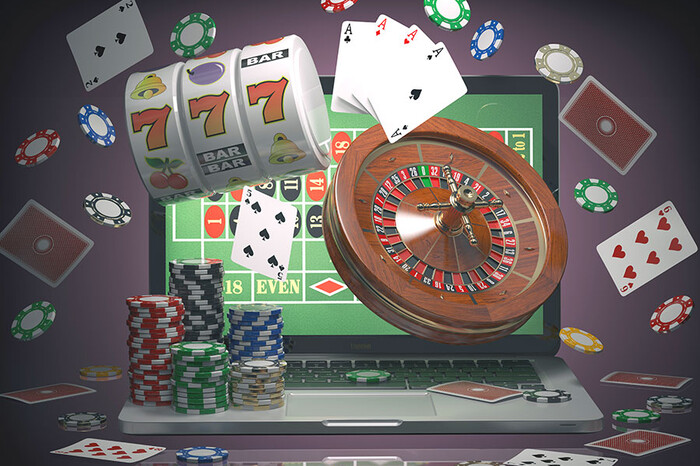
Prioritizing User Safety in the Online Gambling Sphere
As online gambling platforms continue to evolve, prioritizing user safety is of utmost importance. This commitment involves implementing robust security measures to protect users from potential cyber threats. Players can enjoy high-stakes games with peace of mind when they know their personal and financial information is secure.
Moreover, responsible gambling initiatives are increasingly being integrated into online platforms to promote safe play. These measures include providing resources for managing gambling behavior and offering support for those who may struggle with addiction. By fostering a secure and responsible environment, online gambling platforms can enhance user experience while addressing the psychological complexities associated with high-stakes gaming.